For Parents
Why We Focus on Process Art
It’s about the journey, not the masterpiece
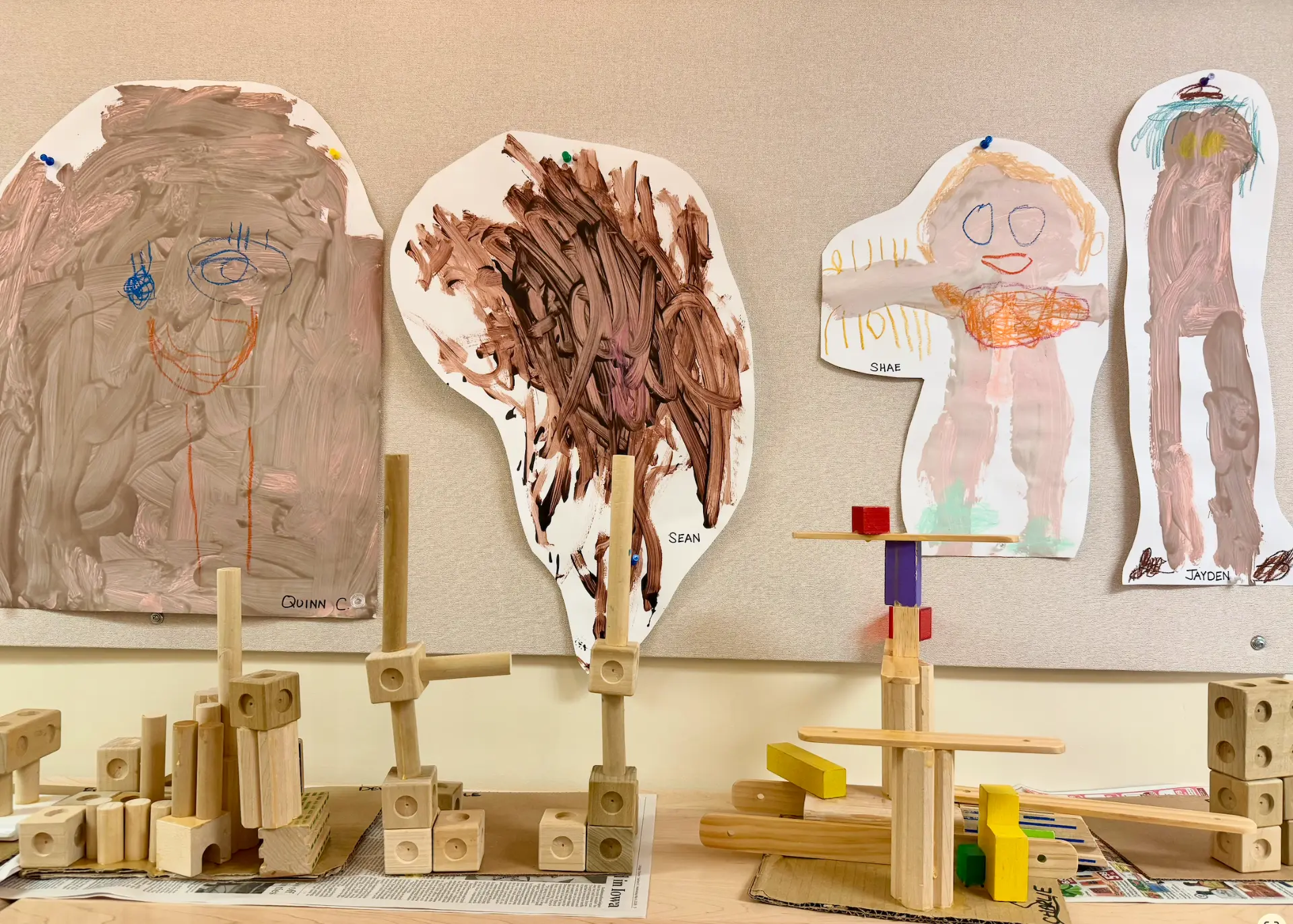
In a preschool classroom, a child may proudly bring home a painting that looks like one big brown smudge or a sculpture made from tape, cardboard, and one carefully chosen button.
It may not look like a “finished” project to an adult. To the child, however, it can represent experimenting, problem-solving, decision-making, and discovery.
The experience of creating matters more than making every project look the same.
What Is Process Art?
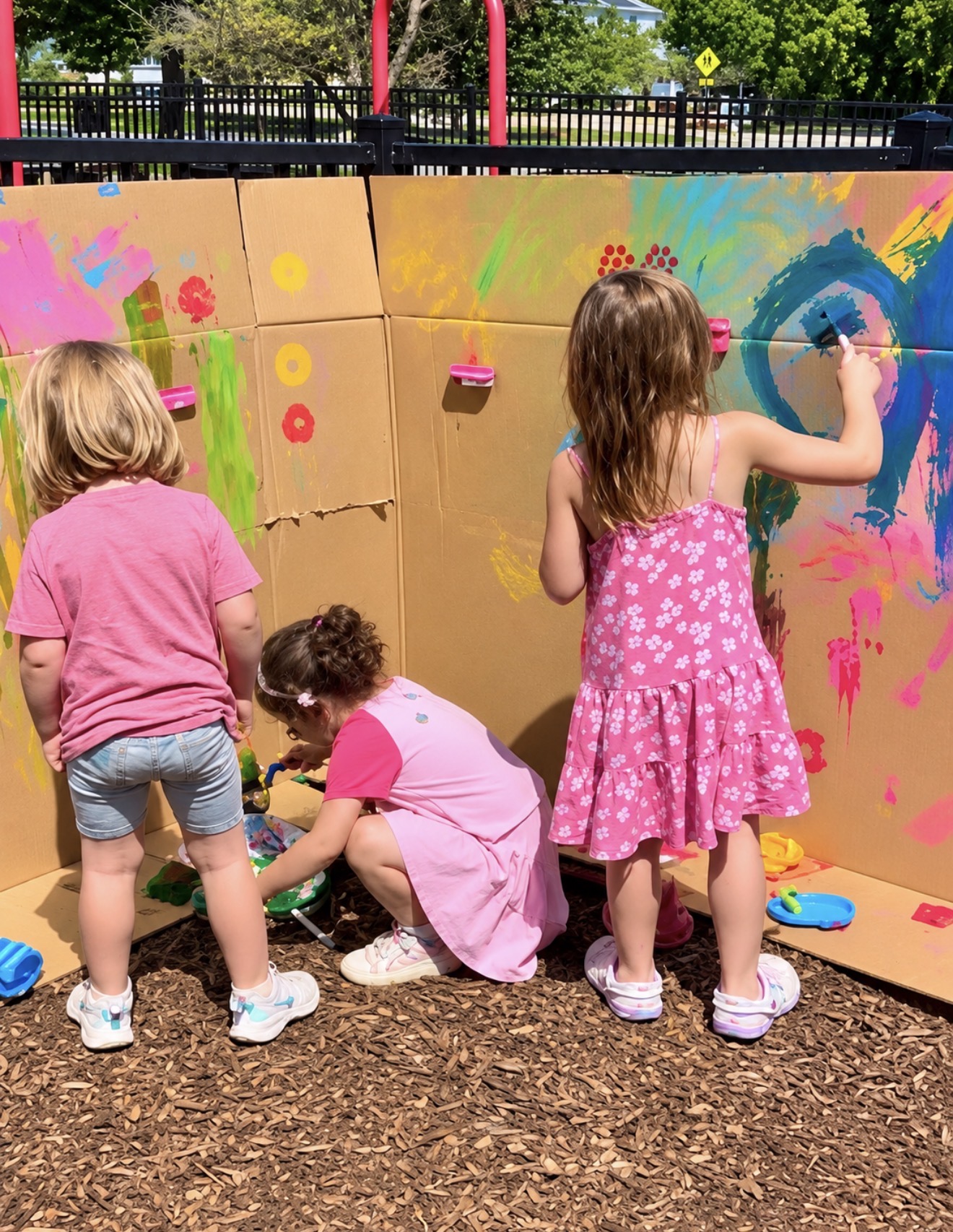
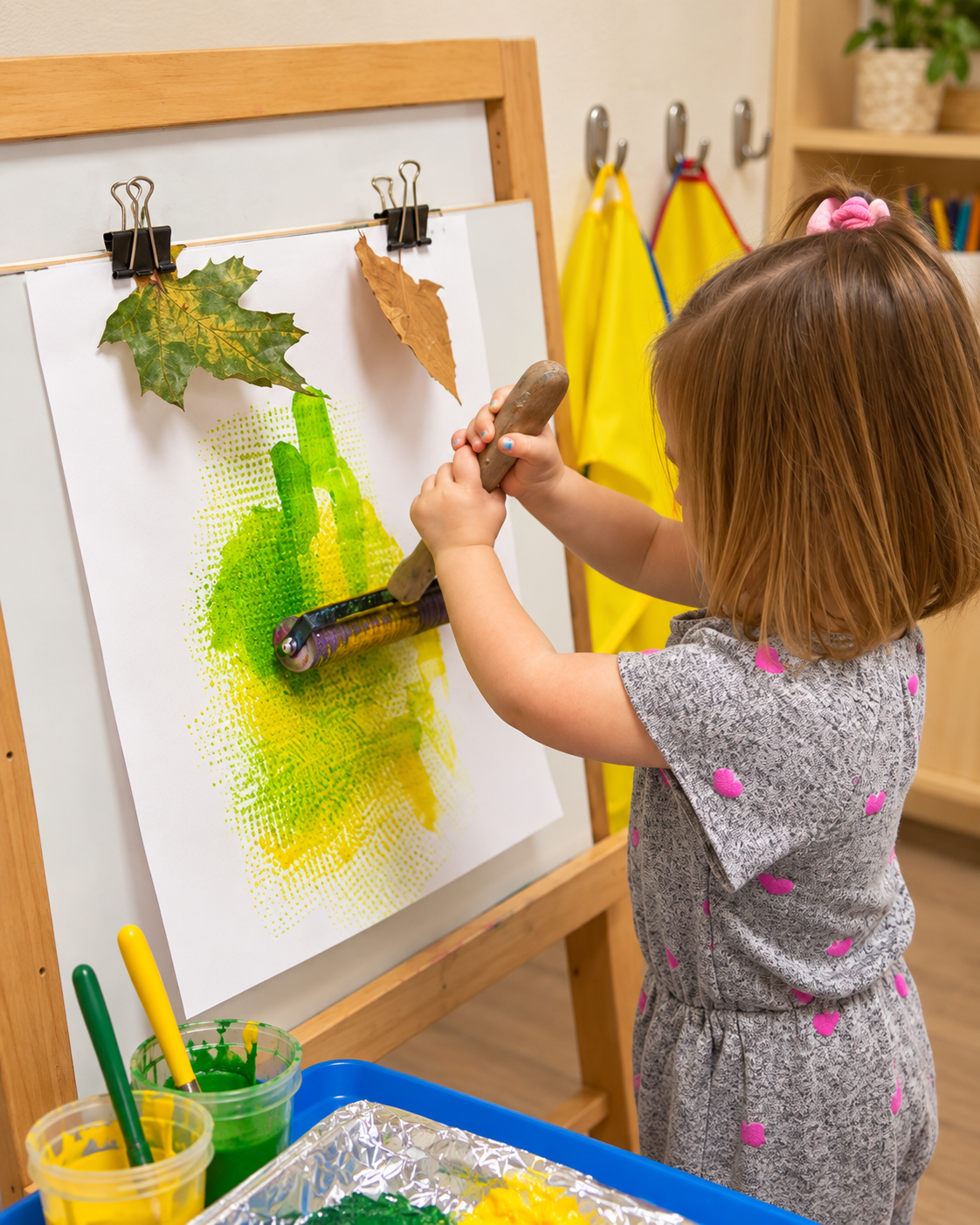
Process art is a developmentally appropriate approach in which the experience of creating is more important than the final product. Children make choices, experiment with materials, and discover what happens along the way.
Process Art
- Focuses on the doing — the experience of creating is the goal.
- No single “right” way — children experiment and make discoveries.
- Unique and original — each child’s work can look completely different.
- Child-led and exploratory — children make choices about tools and methods.
Product-Focused Art
- Focuses on the result — the goal is to finish a specific item.
- A specific way to do it — children follow a set of steps.
- Products may look alike — because children work toward the same sample.
- Teacher-led and instructed — the teacher directs each step.
Process art is an important part of our program, alongside other creative experiences children enjoy throughout the year.
Explore Play-Based LearningWhy Does Process Art Matter?
Fine Motor Development
Squeezing glue, tearing paper, and gripping brushes build the small hand muscles children will later use for writing.
Cognitive Skills
Mixing colors, combining materials, and trying new techniques invite children to test ideas and discover cause and effect.
Confidence & Agency
When children decide what to use and how to use it, they learn that their choices and ideas matter.
Emotional Regulation
Clay, paint, collage, and other open-ended materials can provide a calming, expressive outlet for big feelings.
What Process Art Looks Like in Action
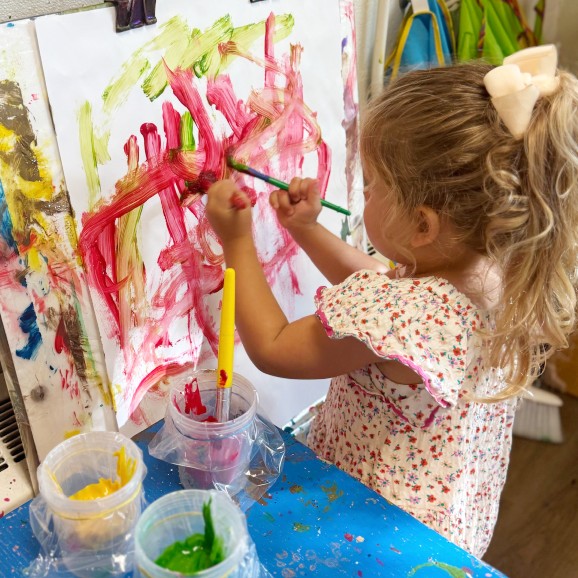
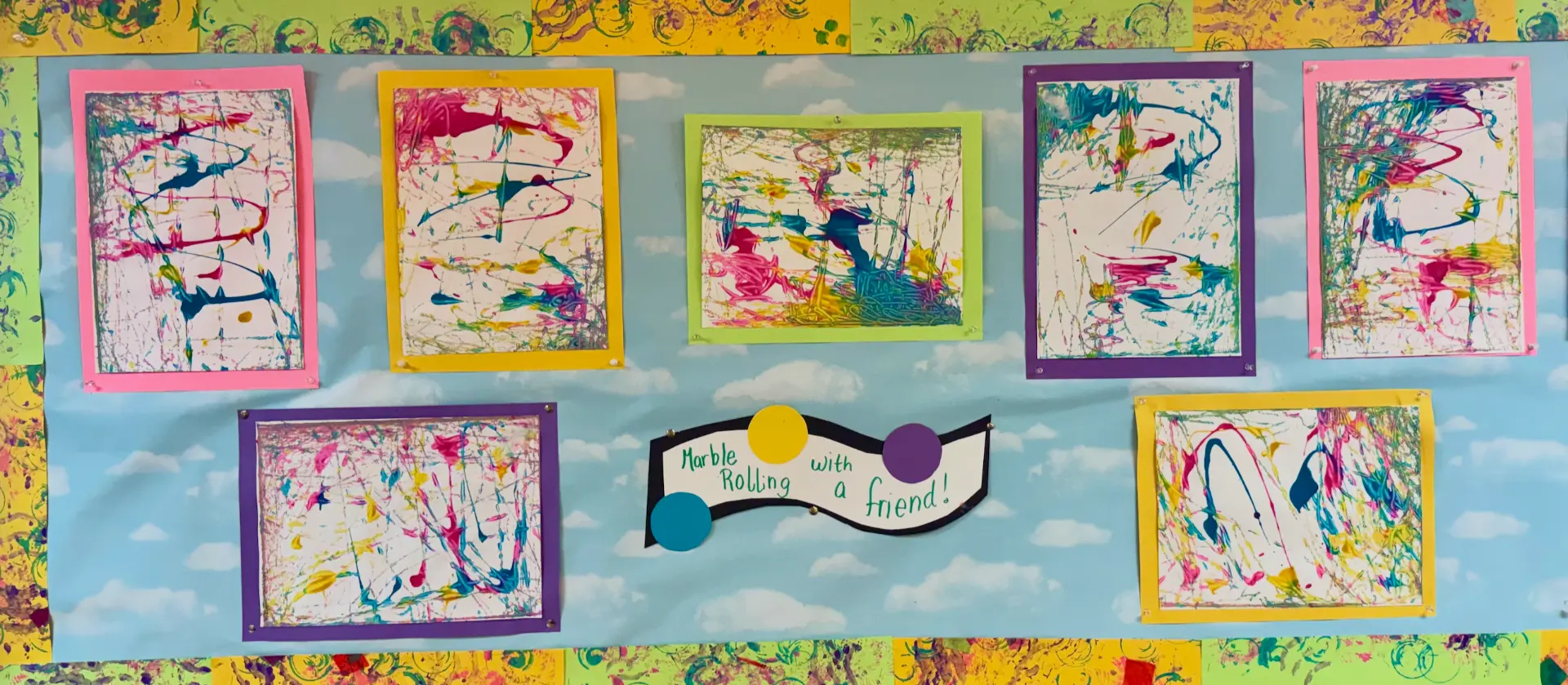
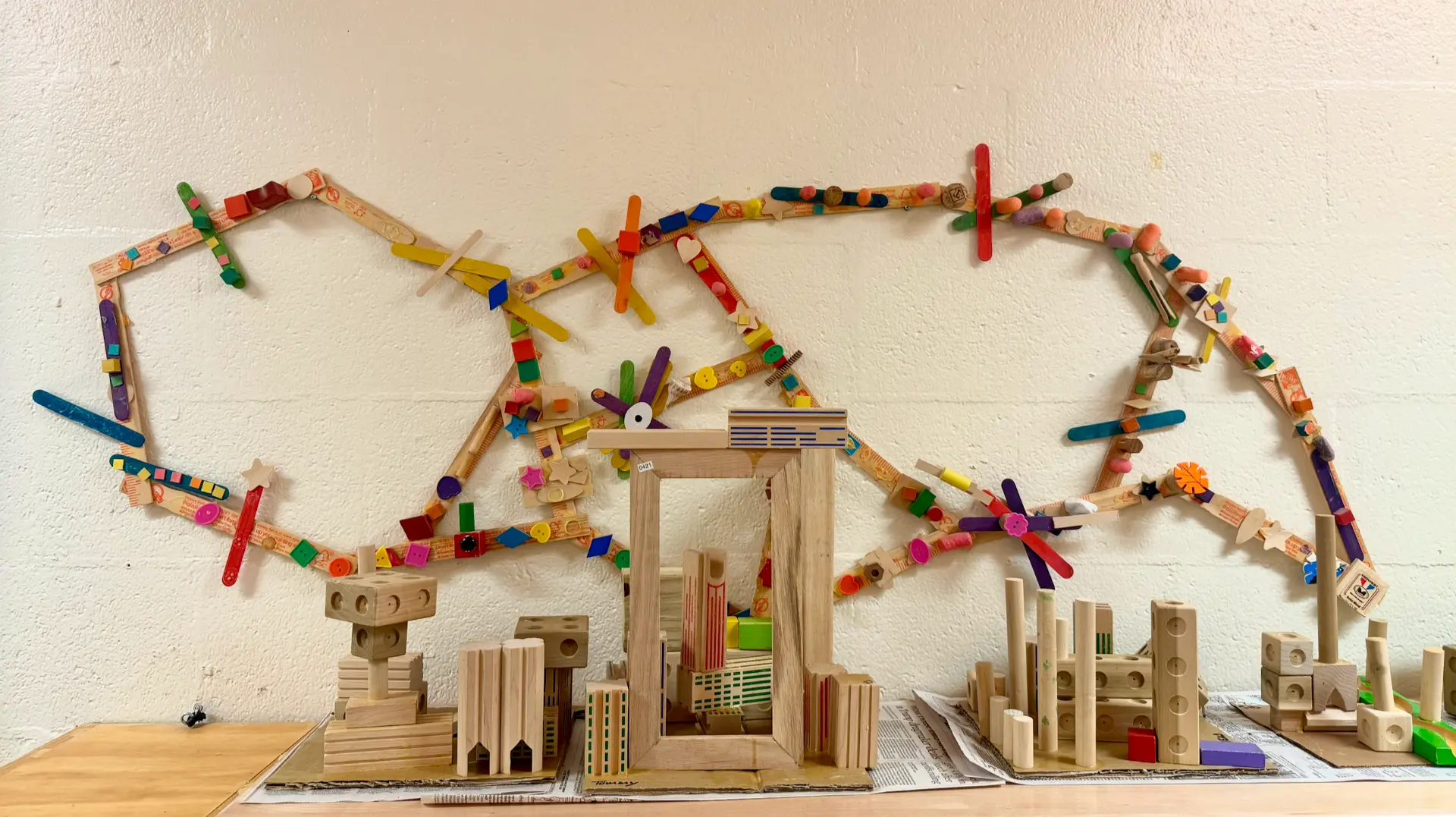
Open-ended materials. Child-led choices. Lots of experimenting.
How to Talk to Your Child About Their Art
Instead of asking “What is it?” — which assumes the artwork has to represent something — try questions and observations that focus on the child’s choices and experience.
“Tell me how you made this!”
“I see you used a lot of circles over here.”
“How did it feel to use that big brush?”
“I noticed you worked really hard on this section.”
The Bottom Line
When we value the process, we value the child.
We are teaching children that their ideas matter — and that it is okay to experiment, make mistakes, and try again.
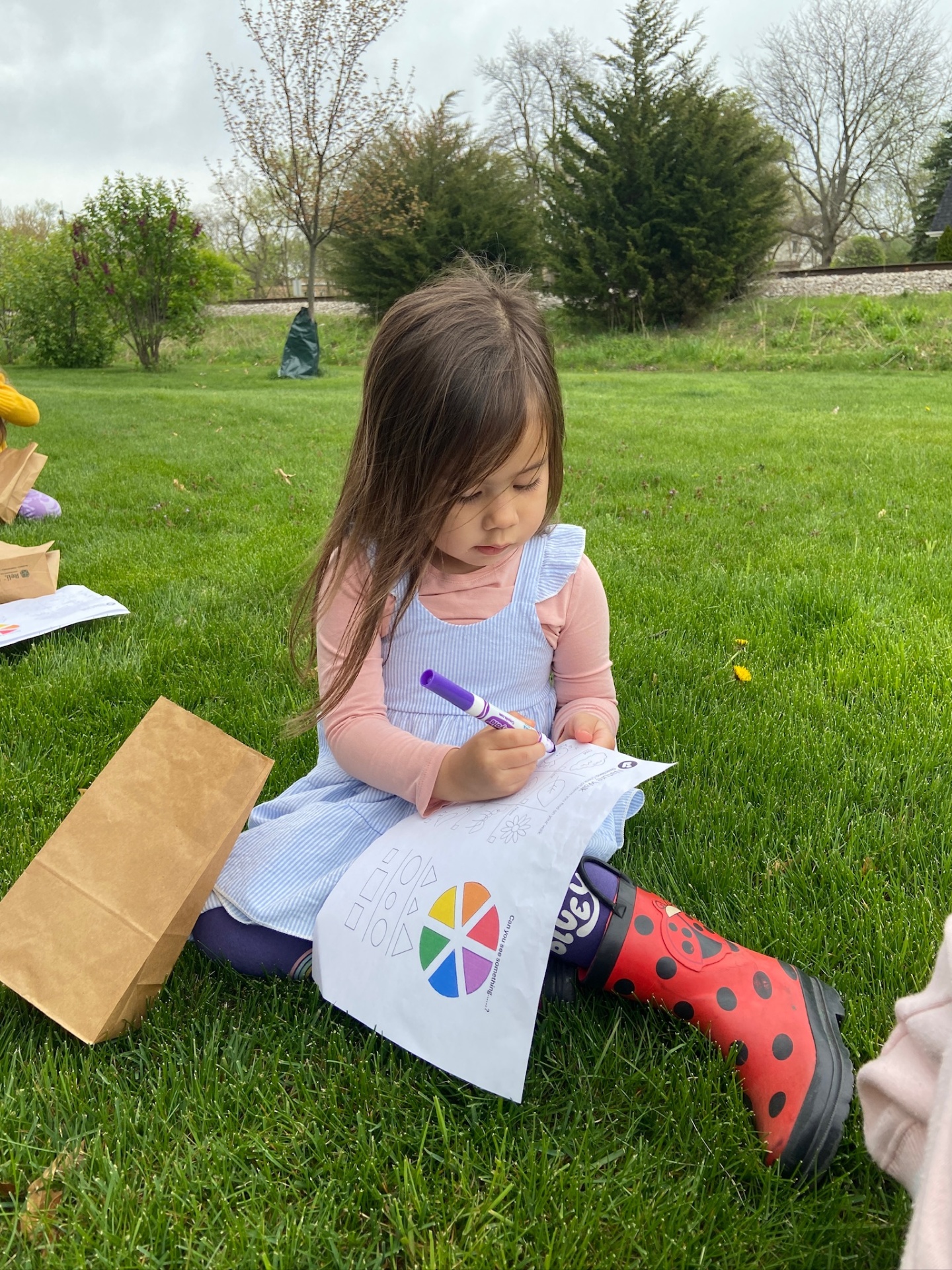
Thank you for supporting your little artist’s messy, beautiful journey!
Research & Resources: Want to Learn More?
- NAEYC — How Process-Focused Art Experiences Support Preschoolers
NAEYC explains how open-ended, process-focused art encourages children to explore materials, make choices, solve problems, express ideas, and build skills across multiple areas of development.
- NAEYC — Supporting the Development of Creativity
NAEYC explores how open-ended art experiences support creativity, self-expression, fine-motor development, language, thinking skills, and children’s confidence in their own ideas.
About the Author
Written by Karen Coan, M.A. in Education, Director of Glenview Methodist Preschool
Karen has served as Director of GMPS since 2016 and works closely with teachers and families on curriculum, school transitions, behavior guidance, safety, staff development, and program planning.
Last updated: October 2026