Intentional teaching that fits naturally into a play-based day
Math & Early Literacy at GMPS
At GMPS, play-based learning and academic readiness go hand in hand. Teachers introduce early math, phonemic awareness, and writing readiness concepts in brief, developmentally appropriate lessons, then give children opportunities to use those skills throughout the day in play, conversation, books, projects, and everyday classroom experiences.
We introduce skills intentionally — then give children meaningful reasons to use them.
Math Counts
Our own developmentally appropriate preschool math curriculum, based on the Illinois Early Learning and Development Standards (IELDS).
Heggerty Phonemic Awareness
Short, engaging oral experiences that help children hear, recognize, and work with the sounds in spoken language.
Handwriting Without Tears
A playful, hands-on approach to writing readiness that begins with movement, shapes, and pre-writing skills before progressing to letter formation.
Math Counts
Early mathematics children can see, touch, and understand
Math Counts is GMPS’s own developmentally appropriate preschool math curriculum, based on the Illinois Early Learning and Development Standards (IELDS) and designed specifically for our students, classrooms, and program.
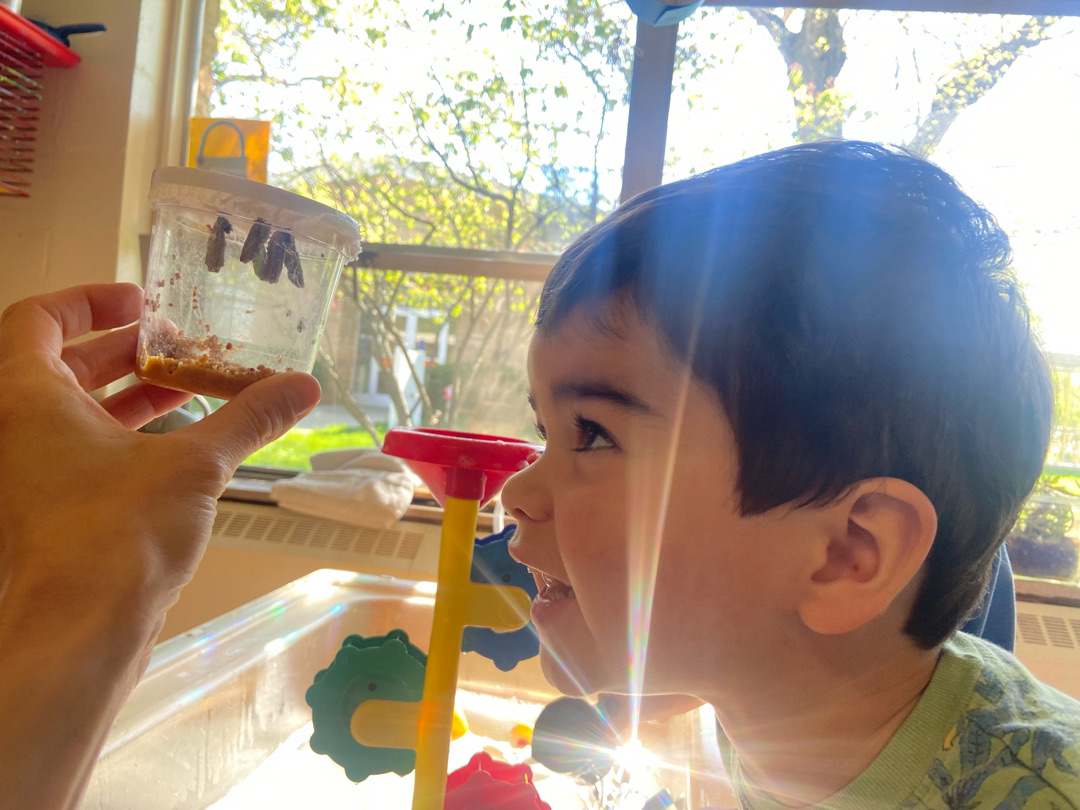
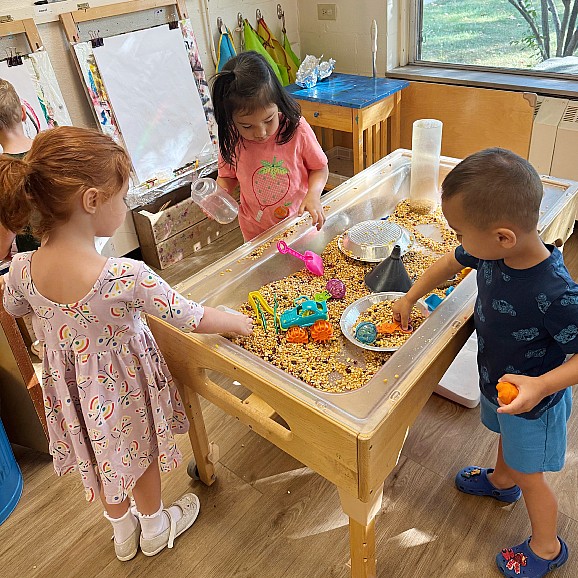
Children build early understanding of counting, quantity, patterns, sorting, shapes, measurement, and problem-solving.
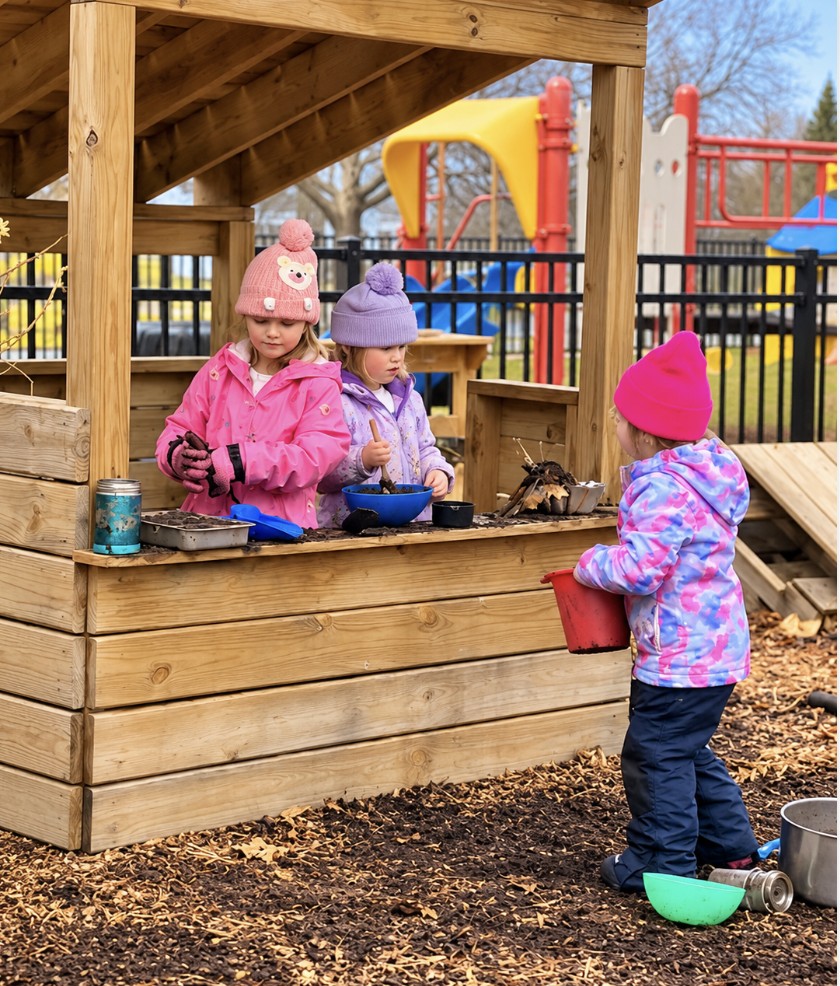
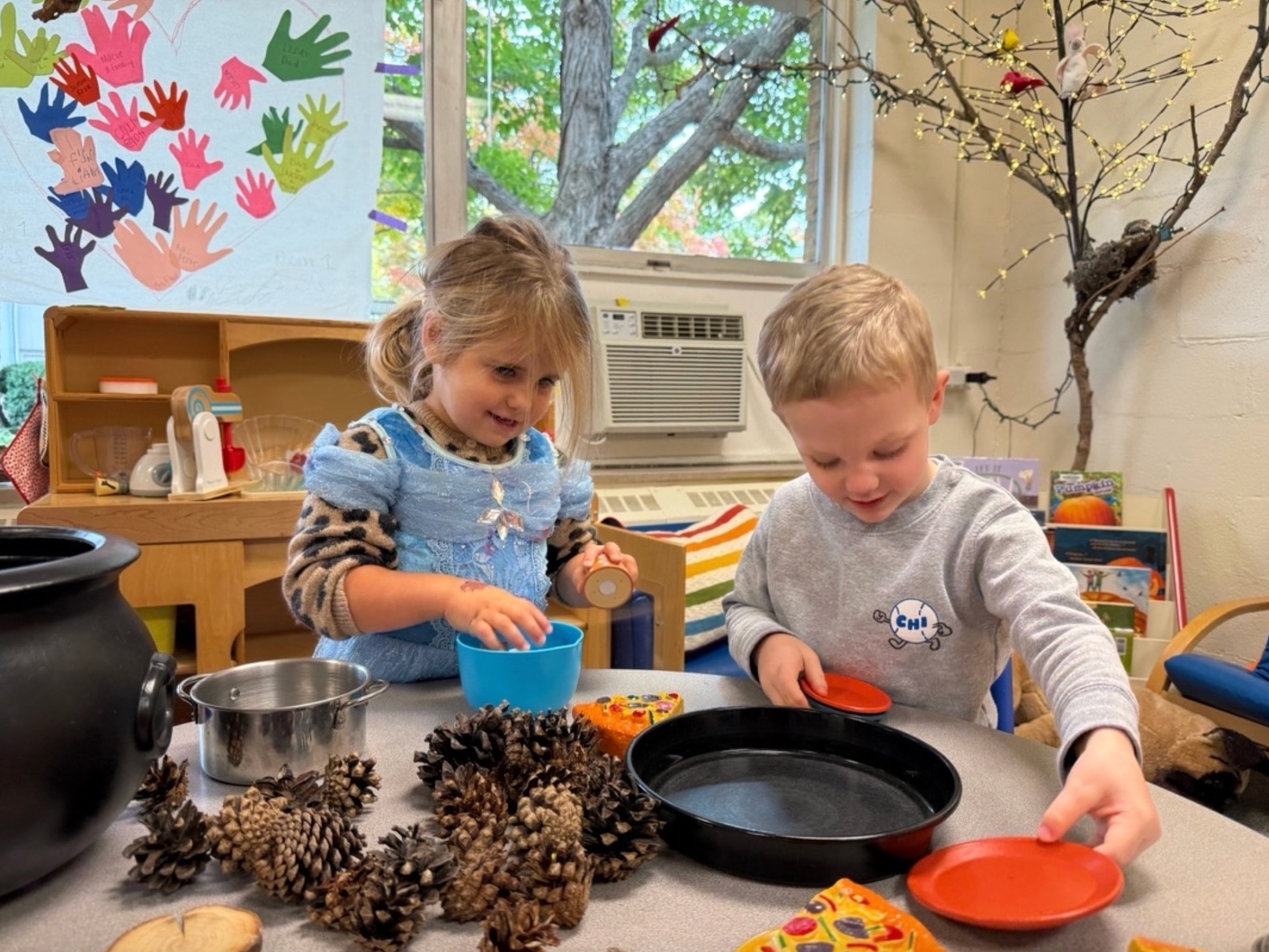
Those concepts continue naturally through play — counting plates in dramatic play, creating patterns with loose parts, comparing block structures, measuring while cooking, or sorting materials during an investigation.
- Counting & Quantity
- Patterns
- Sorting
- Shapes
- Measurement
- Problem-Solving
Heggerty Phonemic Awareness
Learning to listen closely to the sounds in words
Heggerty helps children learn to hear and work with the sounds in spoken language, an important foundation for later reading.
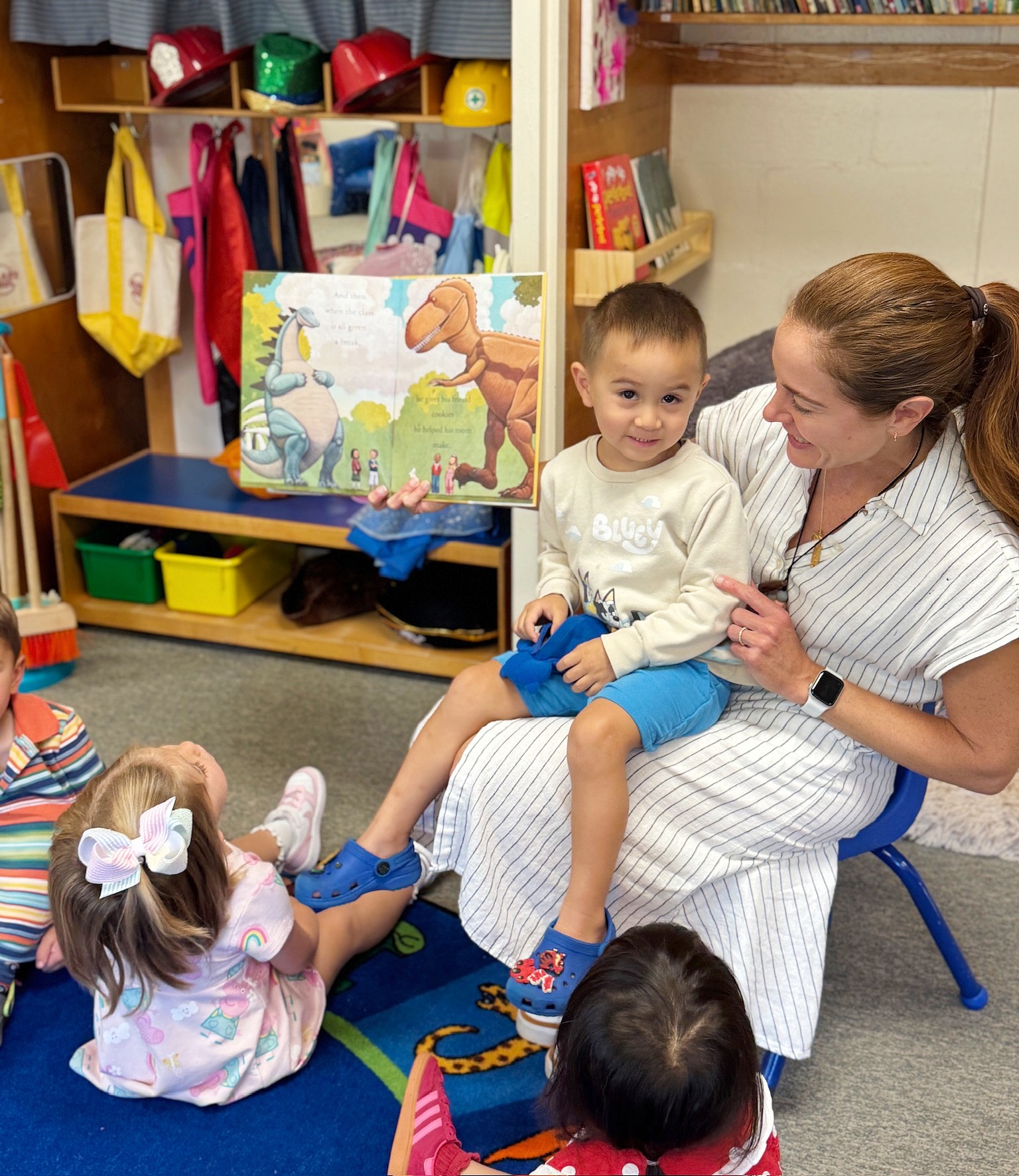
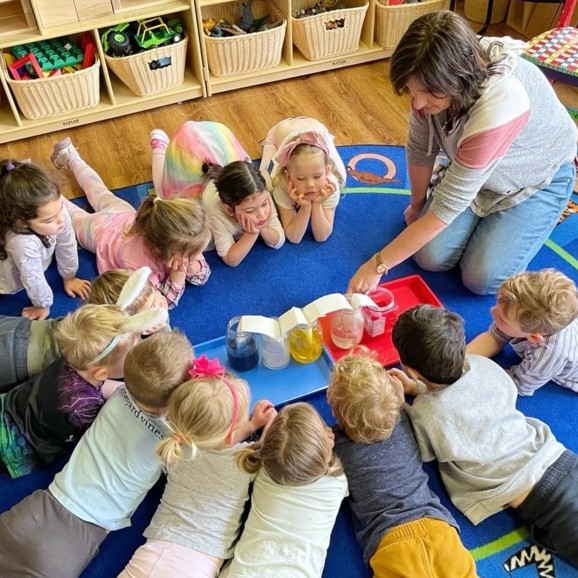
Through short, engaging oral activities, children practice skills such as rhyming, listening for beginning sounds, blending sounds, and breaking words into parts.
Those skills carry into the rest of the day through songs, stories, classroom conversations, children’s names, dramatic play, and meaningful print.
- Rhyme
- Listen
- Blend
- Play With Sounds
Handwriting Without Tears
Writing readiness starts long before a child puts pencil to paper.
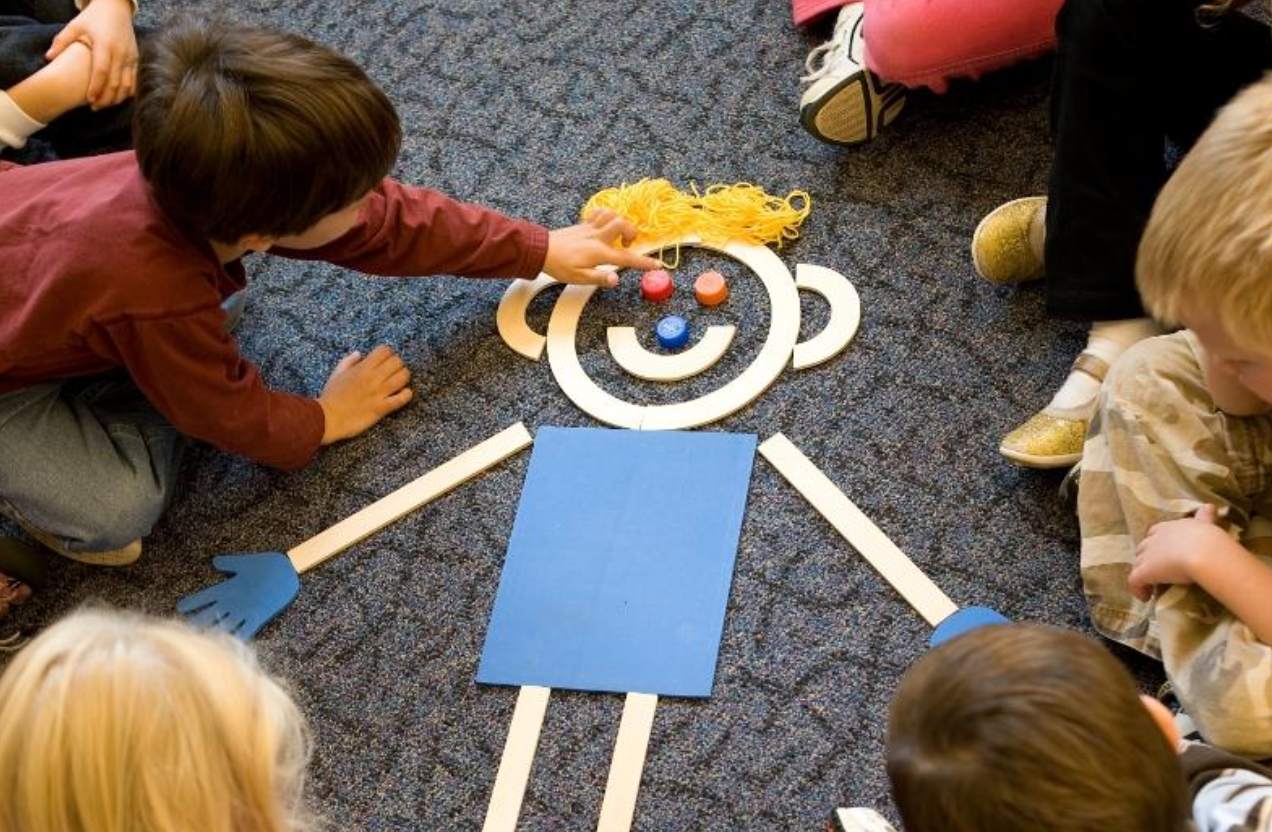
At GMPS, children begin with playful, hands-on experiences that build the foundations for writing. In the 3’s, that may include building Mat Man, singing familiar songs, and learning about big lines, little lines, big curves, and little curves.
These early experiences support fine-motor development, body awareness, visual-spatial understanding, sequencing, and the shapes that later become letters and numbers.
In the 4’s, children begin applying those familiar shapes more intentionally as they practice forming letters and learn to write their names, with teachers supporting each child at their own developmental level.
Writing readiness starts with movement, materials, and understanding — not worksheets.Learn more about Handwriting Without Tears →
The Learning Continues Through Play
- 1
Introduce
A teacher introduces a concept through a brief group or small-group experience.
- 2
Explore
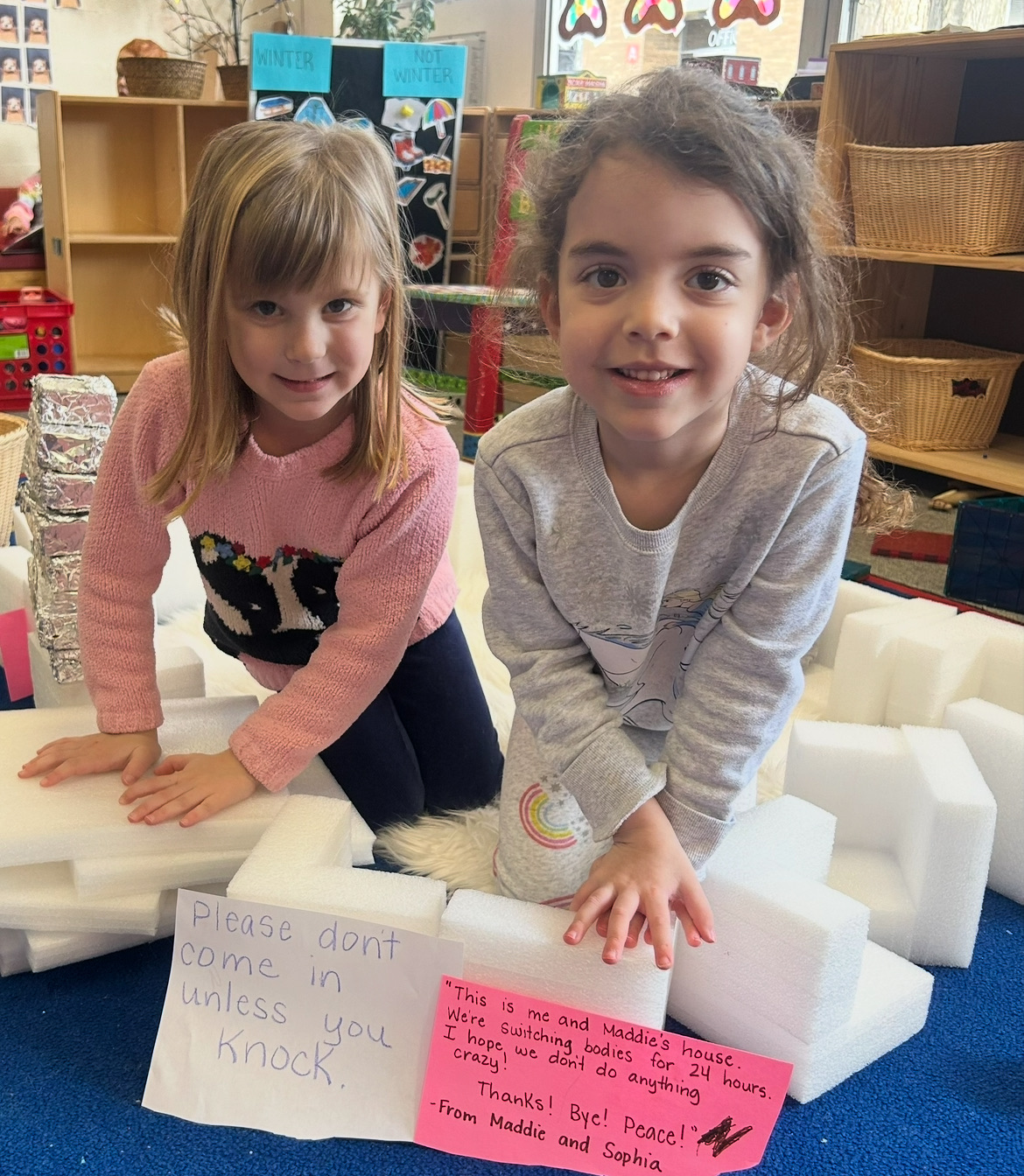
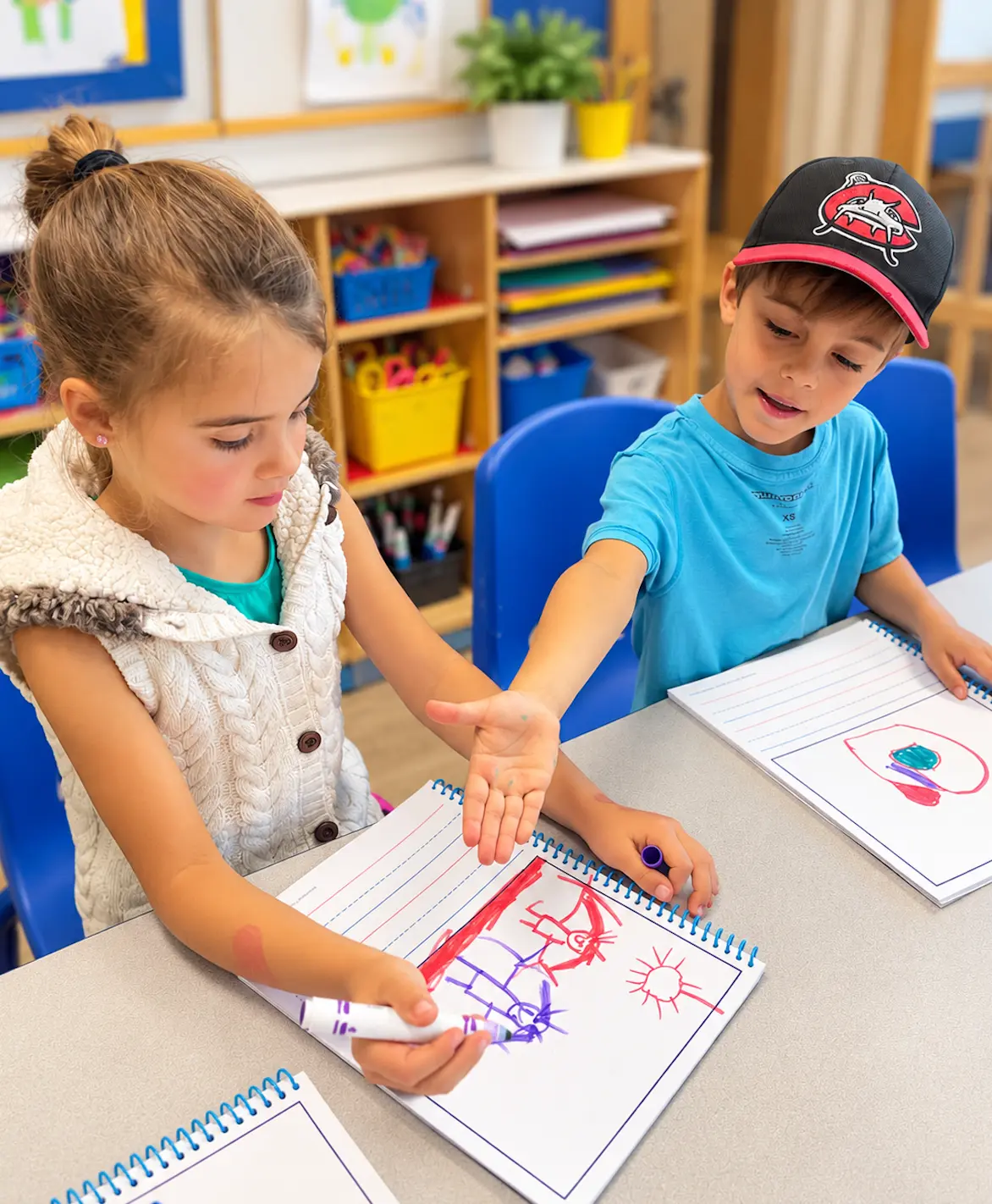
Children encounter the idea again through play, materials, books, conversations, drawing, writing names, making signs in dramatic play, and everyday classroom experiences.
- 3
Extend
Teachers observe, ask questions, add vocabulary or materials, and help children take their thinking one step further.
The teacher introduces the idea. Play gives children a chance to make it their own.
Ready for What Comes Next
Our goal is not to push kindergarten work down into preschool. It is to build strong foundations in math, language, thinking, confidence, and curiosity so children are ready for more formal learning when the time comes.
At GMPS, purposeful play and intentional teaching work together.
Research & Resources: Want to Learn More?
- NAEYC — Making Math Meaningful for Young Children
NAEYC explains how young children develop mathematical thinking through meaningful, hands-on experiences such as counting, sorting, measuring, building, comparing, noticing patterns, and solving problems during play.
- Reading Rockets — Phonological and Phonemic Awareness
Reading Rockets explains how children build important early literacy skills by learning to hear, identify, and play with the sounds in spoken language, including rhymes, syllables, and individual speech sounds.
- NAEYC — Promoting Preschoolers’ Emergent Writing
NAEYC explores how young children develop early writing skills through drawing, mark-making, name writing, fine-motor experiences, letter knowledge, and meaningful opportunities to use writing throughout the day.
About the Author
Written by Karen Coan, M.A. in Education, Director of Glenview Methodist Preschool
Karen has served as Director of GMPS since 2016 and works closely with teachers and families on curriculum, school transitions, behavior guidance, safety, staff development, and program planning.
Last updated: October 2026